
Skip to content
Courses in woodworking, furniture building, and interior craft

Courses designed for practical workshop confidence

Choose a course that matches your current level and the kind of furniture you want to build at home. We focus on safe workflows, reliable setups, and the small checks that help your joinery, assembly, and finishes look clean and last well.

Safe workflows

Tool handling, setup checks, and dust awareness in every module.

Accuracy habits

Marking, measuring, and squareness checks you can repeat at home.

Finish literacy

Sanding sequences and finish selection for durability and feel.

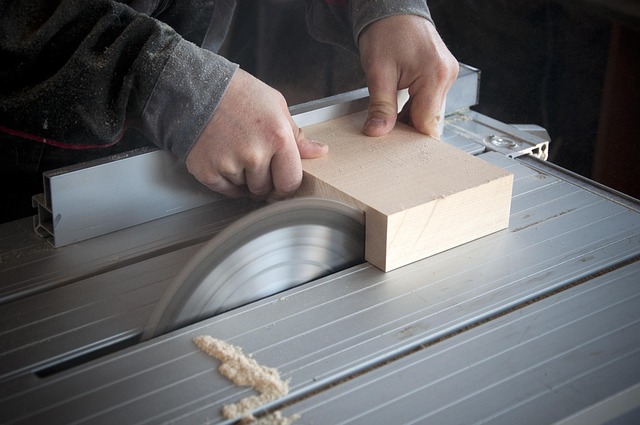
woodworking lesson in workshop with bench tools and timber boards Ireland

What a course feels like

Sessions are structured around clear demonstrations and hands-on practice. You learn how to plan a piece, choose the right joint for the job, and make adjustments without rushing. The goal is a calm, methodical approach that supports good results.

Want technique notes before you start? Visit Workshop Techniques.

close-up of clean joinery on handmade shelf bracket
sanding and finishing station with matte black tools and wood tones

Course overview

Our course options are designed to be clear and skill-focused. Each program teaches a sequence you can repeat: layout, stock preparation, joinery, dry fitting, glue-up and alignment, then surface preparation and finishing. We keep the tone practical and realistic, because good furniture is built through small, consistent checks rather than shortcuts.

If you are unsure where to start, use the course level guide below. You can also contact us with your project idea, your available tools, and what you would like to learn. We will reply with a simple recommendation and pointers to relevant resources on this site.

Course level guide

  • Beginner: safe basics, measuring, straight cuts, simple joinery, and finish fundamentals.
  • Intermediate: stronger joinery, cabinet workflow, hinge alignment, and cleaner surface prep.
  • Advanced: precision layout, repeatability, fine fitting, and professional finishing habits.
Beginner

Home Woodworking Foundations

Learn workshop safety, measuring and layout, cutting accuracy, and basic joints used in shelves and small furniture. The focus is on stable setups, common mistakes, and checks that help you work confidently in a home space.

  • Squares, marking, and repeatable measurement
  • Tool handling and safe cutting workflow
  • Sanding basics and simple protective finishes
Intermediate

Handmade Table Building

A structured program that covers planning, timber selection, top construction, base alignment, and strong joints suited to daily use. You learn how to keep a build square, consistent, and comfortable to the touch.

  • Stock prep and flat reference faces
  • Joinery selection and dry-fit checks
  • Edge details and durable finishing choices
Intermediate

Cabinet and Storage Workshop

Learn cabinet workflow from layout to assembly and installation thinking. We focus on squareness, clean reveals, and practical decisions around hardware so doors and drawers move smoothly and predictably.

  • Sheet goods, solid wood, and movement basics
  • Assembly sequence and alignment strategies
  • Hinges, handles, and practical fitting checks
All levels

Finishing and Surface Prep Intensive

A practical workshop focused on sanding sequences, edge treatment, dust management, and finish selection. Learn how to test on offcuts, avoid common marks, and choose a finish that suits the piece and the room.

  • Consistent sanding and scratch pattern control
  • Oil, wax, and water-based topcoat comparisons
  • Testing, curing, and maintenance habits
How to prepare

Before you join a course

We recommend reviewing key techniques and planning steps ahead of time. This helps you arrive with the right questions and a clearer sense of the workflow. If you are building at home between sessions, the resources section supports practice with checklists and setup tips.

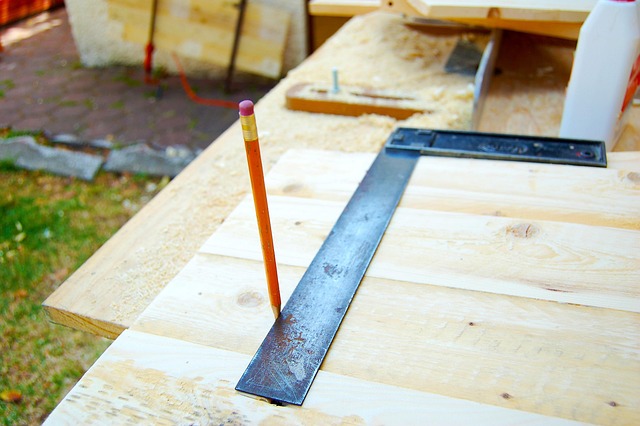
workshop bench with measuring tools clamps and wood boards ready for class

Typical skills covered

Our programs commonly include layout, cut planning, drill accuracy, glue-up control, and finishing sequences. Some courses emphasize furniture proportion and interior fit, while others focus on joints and mechanical strength. The aim is transferable skill rather than a single one-off build.

Not sure what fits?

Tell us what you would like to build and what tools you have access to. We will respond with a practical recommendation and links to supporting technique notes on this site.

Contact us

What you will practice during learning

Good craftsmanship comes from clear sequences. We emphasise a repeatable approach that carries across different furniture styles. You will learn how to inspect material, keep measurements honest, and build in a way that supports clean fitting and long-term stability. These skills matter whether you are building a small shelf, a coffee table, or a larger cabinet for a living space.

Along the way, we also cover practical workshop habits: how to keep a bench organised, how to label parts during assembly, and how to use test pieces to confirm cuts and finish results. These habits reduce waste and help you work calmly, especially in smaller home setups.

Layout and measurement

Learn how to mark from reference faces, avoid cumulative errors, and check for squareness before you commit to cuts. You will practice simple systems that keep parts consistent across a build.

Joinery and strength

Understand what a joint is doing and how load, grain direction, and glue surfaces affect strength. You will learn how to choose joints for shelves, frames, cabinet carcasses, and table bases.

Assembly workflow

Learn dry fitting, clamp strategy, and alignment checks that keep parts flush and square. We also cover how to label components and stage assembly so glue-up stays manageable.

Finishing decisions

Learn how to prepare surfaces, test finishes, and choose a method that matches the use of the piece. We focus on durability, touch, and maintaining a finish over time.

Questions about tools or materials?

The FAQ covers common questions about course levels, tool requirements, and materials. If your situation is specific, the Contact page lets you send a message with your goals and what you already have in your workspace.